
As cooler weather approaches, your heating system will soon be working hard to keep your home comfortable. A well-maintained heater heats more effectively and works more efficiently. Taking time to prepare your heater before fall temperatures drop can help prevent mid-season breakdowns, reduce energy costs, and extend your system’s lifespan. These tips offer simple, effective steps to keep your heater in top shape throughout the season.
Start With a Visual Check
Begin by giving your heating system a careful once-over. Look for signs of wear, loose wires, or any unusual buildup around the unit. Check the security of the safety panels. If you have a heat pump, make sure there is at least 2 feet of clearance around the outdoor unit. Trim bushes, weeds, and grass, and remove any obstacles that would prevent airflow. Gas furnaces do not require this step. A visual inspection can help reveal potential problems before they become expensive repairs.
Look around the area for signs of rodents or other pests. Chewed wires and hidden nests can lead to dangerous damage or airflow blockages. A pest-free space helps your heating system run safely and without strain.
Test the Thermostat
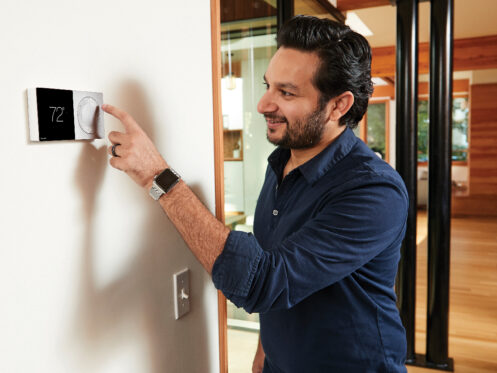
Your thermostat is the control center for your heating system. Testing your thermostat ensures it’s ready for the cooler months. First, switch it from cooling to heating mode, and set it a few degrees above the current room temperature. Listen for the heater to start up and verify warm air comes from the vents.
If the heater doesn’t start up right away or doesn’t produce warm air from the vents, address the issue promptly. Our HVAC team at Greiner Heating and Air can inspect, test, and calibrate your thermostat to ensure optimal performance. If it’s not working correctly, we also offer thermostat replacement services.
Now is also a good time to review your thermostat manufacturer’s instructions for programming. If you don’t have a programmable thermostat, consider upgrading to a programmable unit, which can help you reduce your energy costs.
Replace or Clean the Air Filter
A dirty air filter prevents proper airflow, forcing your heater to work harder than necessary. Clogged filters can also allow dirt and grime to enter your heater and cause buildup that increases wear and tear over time.
Check your filter every month and replace it every one to three months, or sooner if you have pets, allergies, or heavy use. If your heater uses a reusable filter, wash it thoroughly and allow it to air dry before replacing it. Some higher-end filters may last longer if approved by the manufacturer. Keeping your filters changed or cleaned promotes better airflow, reduces dust in your home, and protects the blower motor from overheating and becoming damaged.
Now is a good time to review your filter options. A higher MERV rating can boost indoor air quality by trapping finer particles like pollen and pet dander. Just make sure your system can handle a higher-rated filter without reducing airflow.
Check Vents and Registers
Walk through your home and check that each vent and register is unobstructed and open. Some homeowners believe they can save money by shutting off vents in unused rooms. In reality, this can increase duct pressure, reduce efficiency, and may contribute to comfort issues or equipment strain.
Clean vents regularly, and check that there are no blockages from furniture or curtains. If you notice uneven heating or cold spots, rearranging your furniture or adding vent deflectors to redirect airflow to less-warmed areas can help. Proper vent management helps your heating system distribute warm air efficiently throughout your home.
Listen for Unusual Noises
A healthy heating system should run smoothly with minimal noise. If you hear unusual noises like rattling, banging, or grinding, you may have worn belts, loose components, or blower motor problems. Catching these issues early can prevent more serious damage and keep your system safe to operate.
Regularly monitoring how your heater sounds during operation can alert you to emerging issues. If the system noises change or suddenly grow louder, schedule a professional inspection right away.
Check the Pilot Light or Ignition System
Most modern furnaces use electronic ignition, but if your older system has a pilot light, it should burn steadily with a blue flame. Flickering or yellow flames indicate combustion problems. Your heating system needs professional care immediately.
If you have an electronic ignition system, make sure it starts reliably and without delay. Issues in the ignition system can lead to inconsistent heating and safety risks.
Leave pilot light adjustments to a licensed technician. Incorrect handling can result in gas leaks or dangerous situations, so professional service is the safest choice.
Schedule Professional Maintenance
Even if your heating system appears to be running fine, a seasonal tune-up from a qualified technician can help identify hidden issues. Professional maintenance includes tightening loose connections, checking fuel lines, and performing testing. It also includes cleaning.
Our local experts understand how seasonal changes affect your heating equipment. We can make adjustments that keep your heating system working at peak efficiency.
To avoid safety hazards and mid-season failures, Greiner Heating and Air recommends scheduling professional heating service annually. Setting the appointment for late summer or early fall gives technicians time to get your system ready for the drop in temperatures.
Benefits of Professional Maintenance
Professional heating maintenance offers many advantages. These appointments help protect your warranty coverage. Investing in expert care keeps your heater ready for cold weather and prevents inconvenient breakdowns.
- Improved efficiency
- Enhanced safety
- Extended equipment lifespan
- Early problem detection
- Consistent comfort
Once you prepare your furnace for fall, you must keep it running efficiently by following a regular maintenance schedule. You can perform some maintenance tasks, like filter changes, but you should leave others to our professionals.
Check Safety Shutoff Switches
Most heating systems have an emergency shutoff switch, usually located near the furnace. It may look like a light switch and is sometimes red, but not always. Label it clearly for easy access. It’s also essential to have your switch tested. Testing the switch is usually a part of professional maintenance. Knowing the precise location of this switch and how it works will save you valuable time if you ever need to shut down your furnace.
Ensure Carbon Monoxide Detectors Work Properly
When your heating system burns fuel, carbon monoxide detectors are a must-have. This gas has no smell or color, so you cannot detect it without an alarm. Keeping these detectors in good working order protects your home from danger.
Start by checking to make sure you have carbon monoxide detectors installed on every floor, especially near bedrooms and near the furnace. Test each detector monthly by pressing the test button. Replace the batteries annually on a regular schedule. Over time, the sensors can degrade, so most detectors need replacement every 5 to 7 years. Some sealed-battery models are rated for up to 10 years—always check the manufacturer’s recommendation.
Start Fall Heating Preparation Now
Getting your heating system ready before the first cold front is about more than staying warm. Preparation is about keeping your home safe and energy efficient. From inspections to professional maintenance, your furnace needs attention. Allow us to help you keep your heating system in shape so that your home stays comfortable.
Contact Greiner Heating and Air in Dixon, CA, today to schedule your heating system maintenance.